Category: Uncategorized

  • The Trajectory We Are Choosing

    The Trajectory We Are Choosing

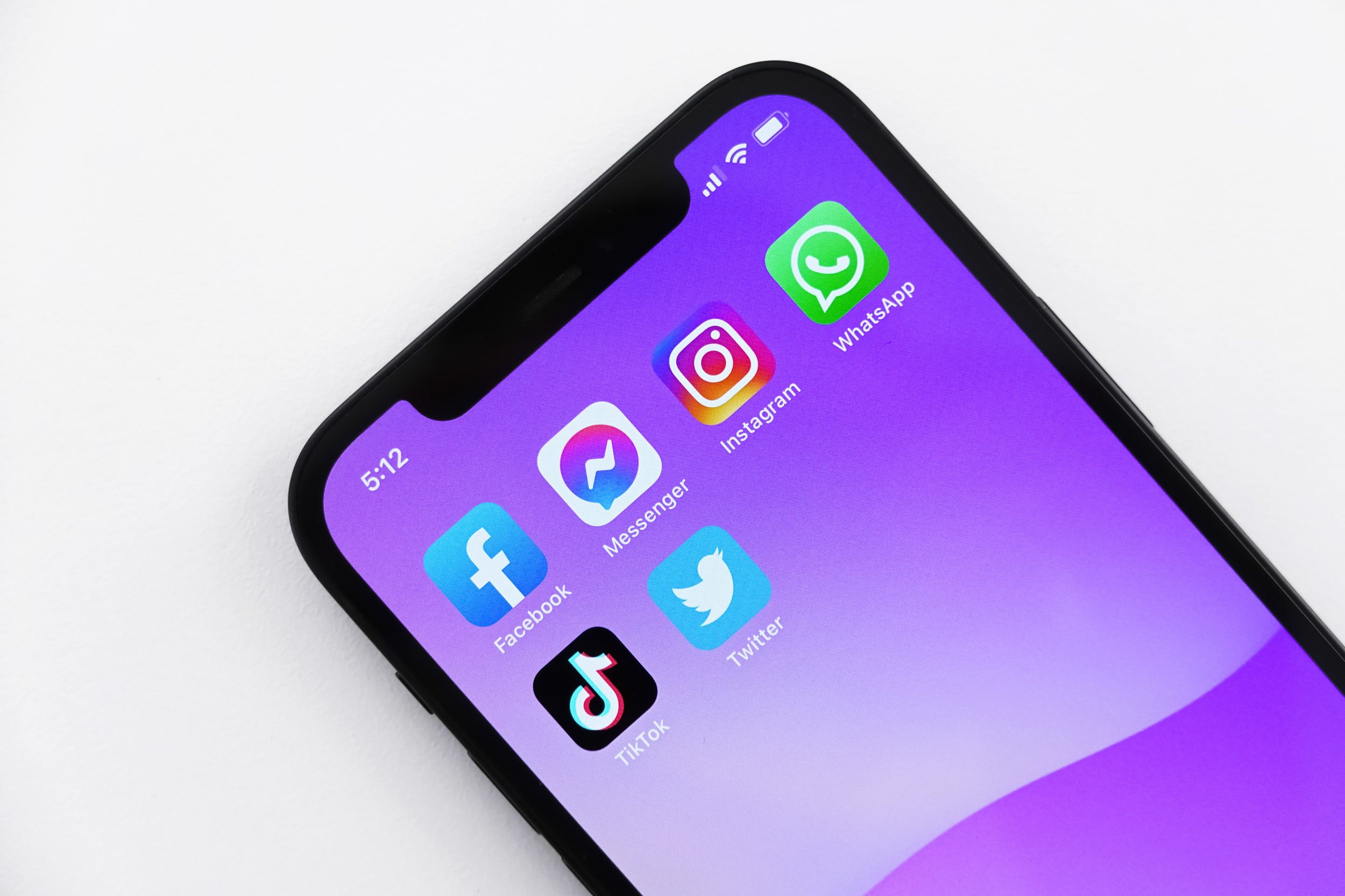
    Jonathan Haidt has an article for the Atlantic out this week in which argues for a perilous trajectory of American society. In Haidt’s view, that trajectory as been largely plotted the in the last decade and a half by the advent of viral social media culture. Fueled by the seemingly innocuous innovations of like and share buttons on social platforms, Haidt argues that digital culture now has become performative rather than expressive. Instead of encouraging honest, good-faith engagement, viral culture means that well-reasoned, nuanced views, digital culture punishes candor with a barrage of trolling or venomous condemnation.

    The algorithms love conflicts and rage—the Robots know that feeding our baser instincts will lead to more profits. The Robots know we engage with content that gets us riled up. The Robots know we love to hate. Thus, they constantly train the users of social media to engage in the performance of cynicism, for such will likely be rewarded with more views, likes, and shares.

    Haight also argues that the amplification of negativity is particularly effective not only when aimed att enemies, but when the target is an ally who their coalition’s doctrines. the boundaries of dogma (whether conservative or progressive), must be strictly enforced. No matter how slight the step out of bounds, the outcast must be pilloried to keep everyone else online. Thus our possibilities for dialogue or good faith conversation are snuffed out with prejudice.

    It’s easy to see from his argument how we begin to resemble an entire society of emperors wearing no clothes. Our polarization doesn’t simply exist in the wide gulf between the established sides, but in the strength of the gravity at each pole…drifting away from the extreme is more and more dangerous—at least dangerous to how the algorithms view you, I suppose.

    Haight offers some pragmatic systemic solutions to the trajectory, but leaves out that which simply requires greater virtues on behalf of the community. It may be that along with structural reforms, we also need to attend to the sort of character we bring to the social platforms and the greater public square.

    It matters how we interact. We are curating our own character along the way.

    Every choice I make to interact with a post, engage in a conversation, or share content, will have a multiplicative value—the algorithms will take each choice I make and feed me opportunities to make similar ones, like gravity turning a snowball into an avalanche. Recognizing the larger trend, I am compelled to consider not only what I’m contributing the the greater cultural conversation (as small as that impact might be), but also what I’m forming in myself as well.

    Dare we choose to restrain our outrage and cynicism? Dare we choose to reach again towards each other, seeking connection, rather than chasing likes?

    If you think so, be sure to share my post, follow me, like me, etc, etc. Or don’t. I’m learning to be less concerned either way, and perhaps we’ll all be better off that way.


    Afterthought: One strange thing that Haight leaves out is that while he points out the dangers of our societal enemies using viral social media for divisive ends, he leaves out any real discussion of the most viral of social apps now: TikTok. How anyone can have a paragraph about the topic of China using social media to ill purposes without commenting on TikTok is a bit beyond me.

  • Trees

    Trees

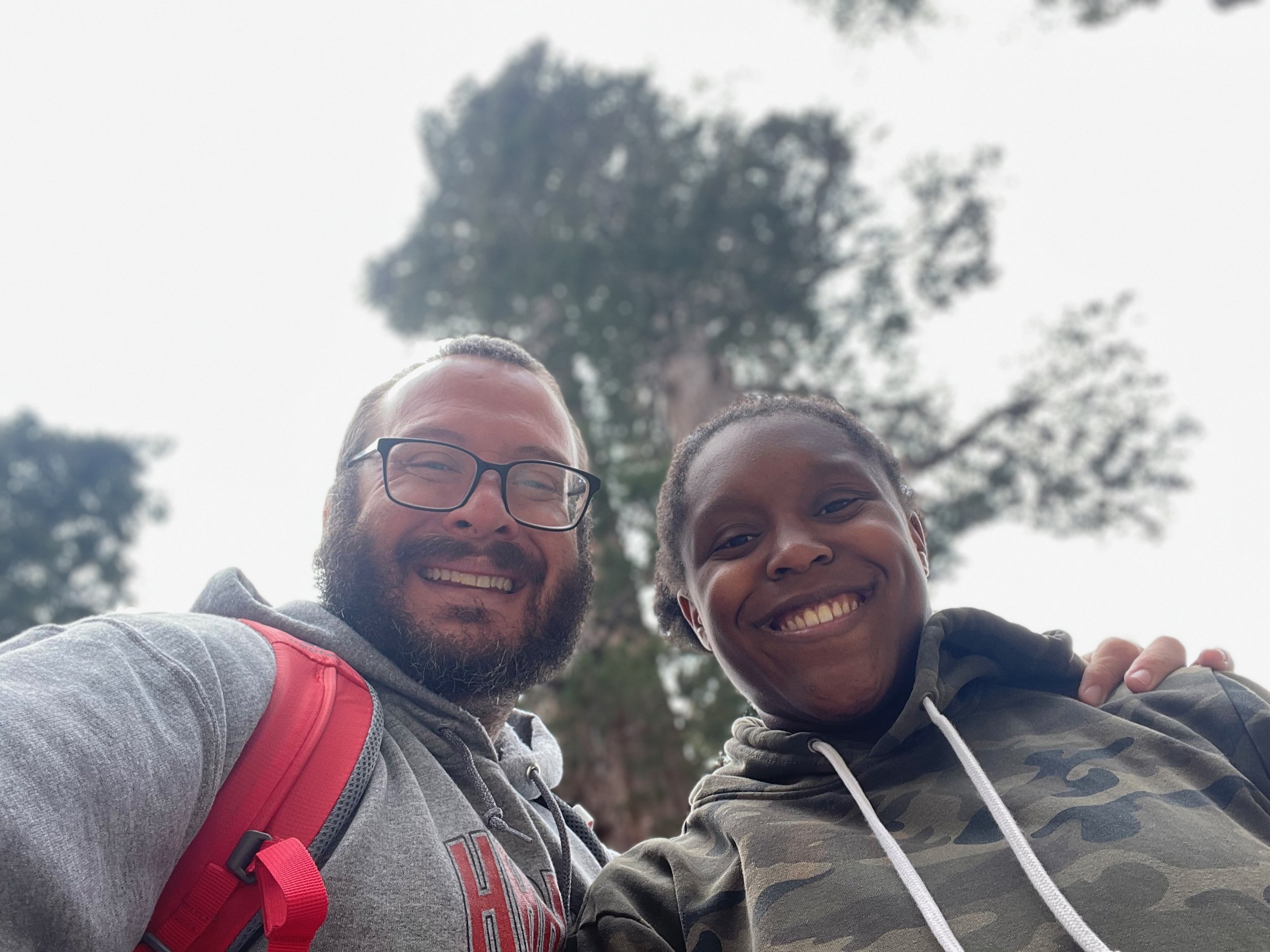
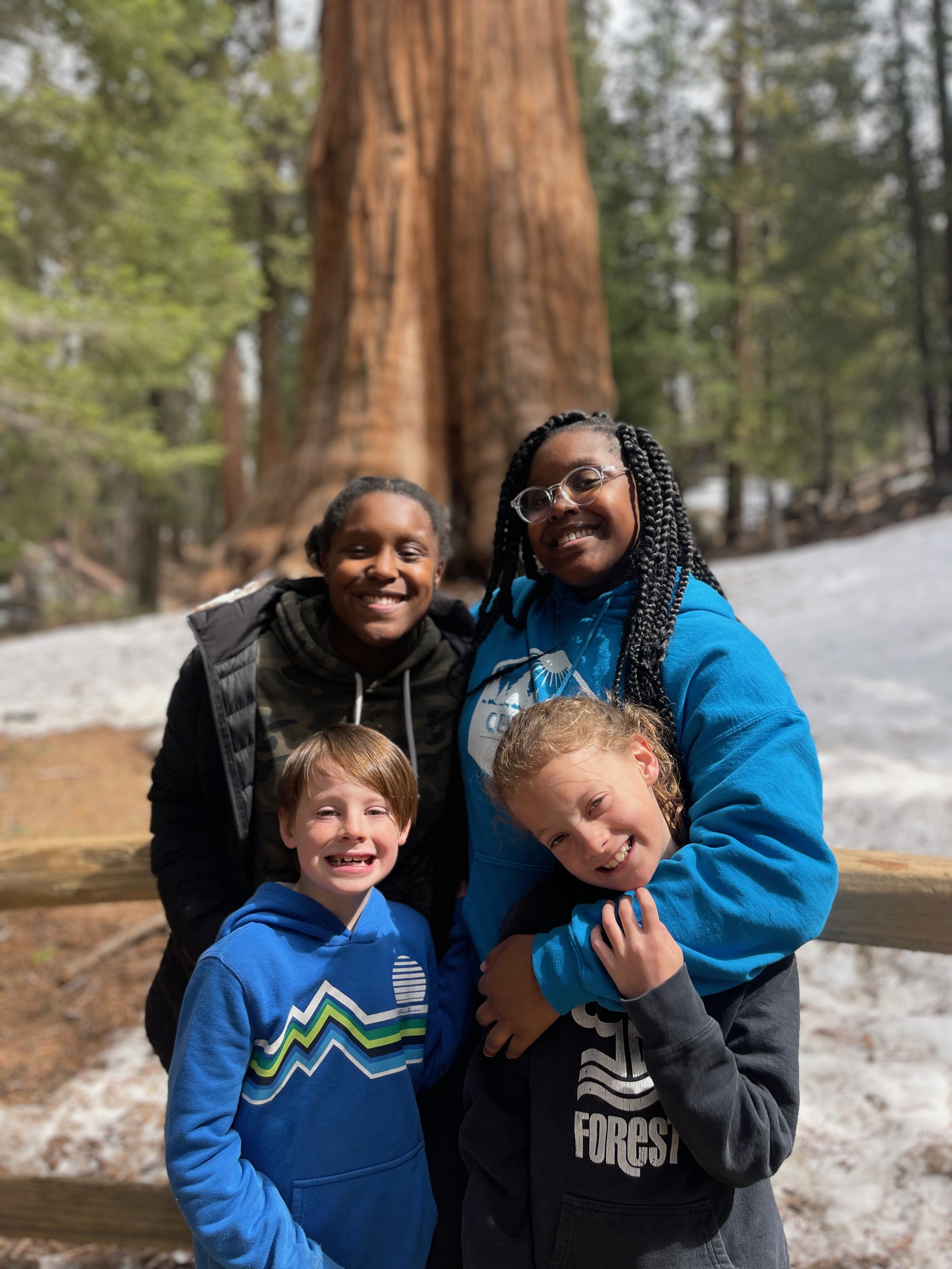
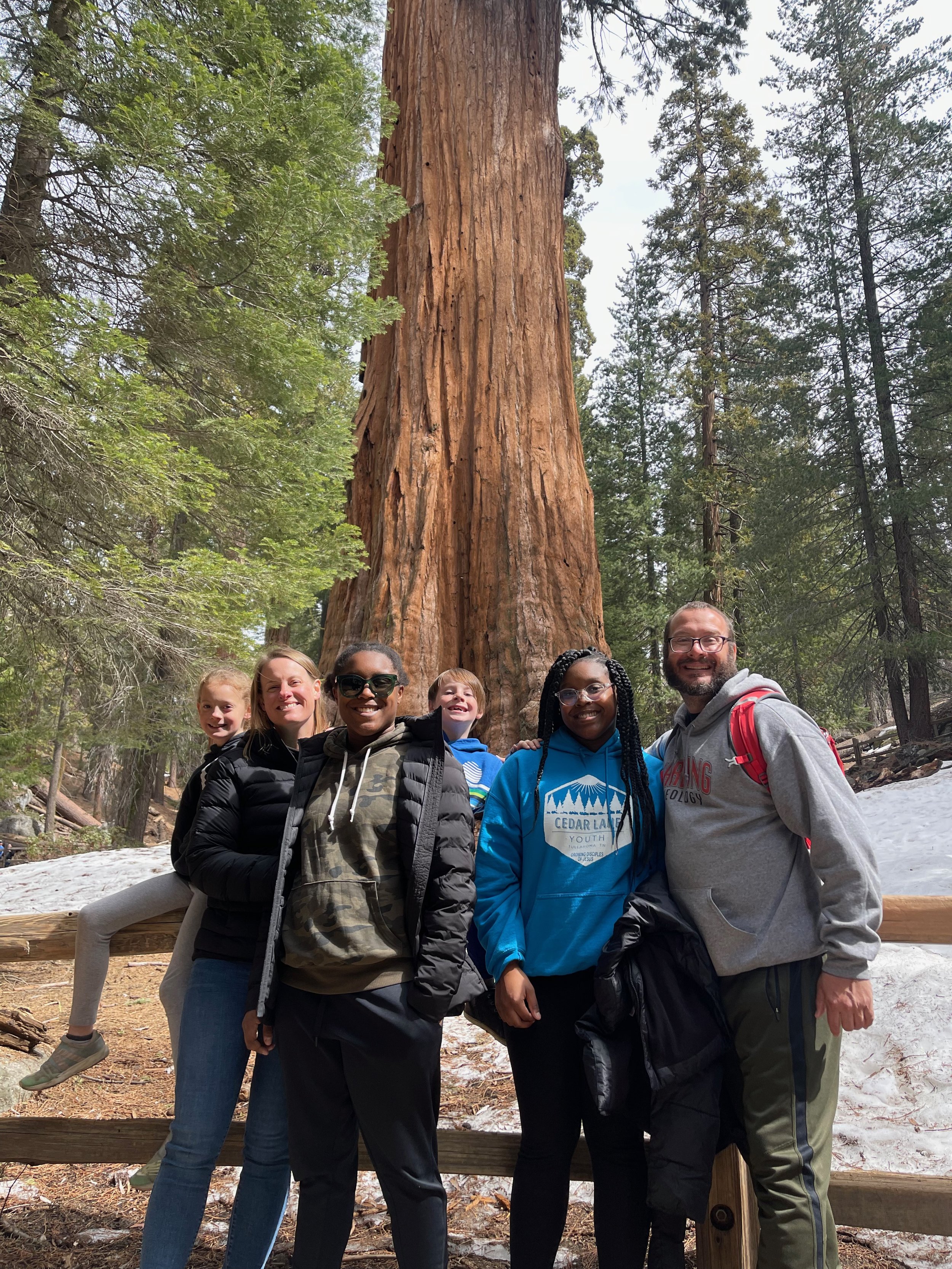
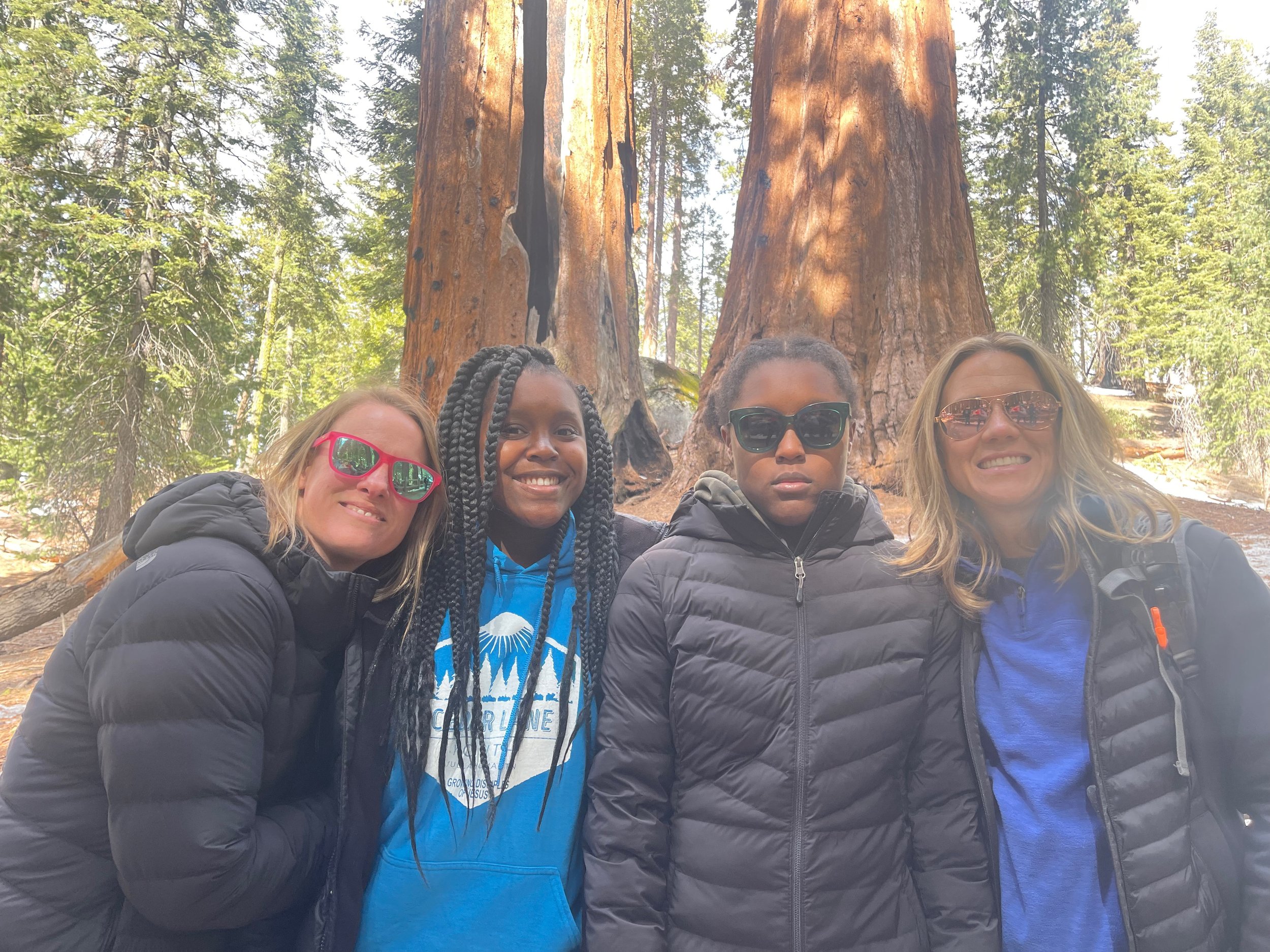
    This week, the Hovaters made our way to Fresno to visit Kelly’s family. Their home is just over an hour away from one of our world’s treasures—the groves of giant sequoia trees nestled in the Sierra Nevada mountains.

    These trees can stretch a few hundred feet in the air, and by volume are the largest trees on earth. Some of them have been alive since before the fall of the Roman Empire.

    It’s hard to conceive of a thing like that, a being who has seen that many summers and winters.

    When I go to the trees, I’m not really sure what to do with myself. I think if I was just by myself, I’d perch myself in front of one on a rock with a mug of coffee, and just soak in the forest. But that’s not my stage of life; I mostly meandered around watching my kids take in the wonder of it all at a less than meditative pace.

    And that’s not a bad thing. It was a day for play, for scampering around at the feet of these majestic creatures—and remembering we are creatures ourselves.

    (And I still got to catch a few moments to reflect on a rock.)

  • Celebrating and Waiting

    Celebrating and Waiting

    It’s about halfway through advent this year—the season commemorating God’s arrival in the incarnation of Christ and which also points towards his impending return as the king of the cosmos.

    My own church’s heritage has not often paid heed to the traditional church calendar. And yet, things come back around, and as many in my generation have explore seasons such as Advent, Lent, and Pentecost, we have rediscovered their usefulness for training us in the way of Jesus.

    For my own part, I’ve found it very useful to have a time of sustained reflection on Jesus’s coming into the world. This year I’ve meditated on the tension present between our proclamation of God’s continual presence and our proclamation of his return—Is he here, or is not here but coming back?

    Perhaps it is mostly a matter of our perception. We catch glimpses of God’s presence, but are largely inattentive to the various ways God might be seen—God is present, but unnoticed. Many of our spiritual disciplines are meant to open us to noticing and experiencing God in the world. When we do, it is beautiful and staggering. But it doesn’t happen nearly enough for us—even when we think we are really looking. We are left longing for more.

    Perhaps we have to admit, eventually, that God’s presence in our world is still frustratingly veiled. It may not be within our capacity to perceive God’s presence continually in the world, because he has somehow obscured that presence just enough as to recede from our vision. We don’t really know why. All our reasoning on it—at least all I know about—leaves us unsatisfied.

    God remains with us. I hold that conviction.

    And yet, we await God’s return—a moment when God’s presence will be unveiled.We long and yearn for the light which illumines all things, for the murky dark to be disbanded.

    This is a season of leaning into that tension. It is a season for claiming the presence of God—and reclaiming our identity as a waiting people.

    For those who share my people’s unfamiliarity with the keeping of advent, I’m happy to share the document I created to introduce the season.

  • Waiting

    It’s about halfway through advent this year—the season commemorating God’s arrival in the incarnation of Christ and which also points towards his impending return as the king of the cosmos.

    My own church’s heritage has not often paid heed to the traditional church calendar. And yet, things come back around, and as many in my generation have explore seasons such as Advent, Lent, and Pentecost, we have rediscovered their usefulness for training us in the way of Jesus.

    For my own part, I’ve found it very useful to have a time of sustained reflection on Jesus’s coming into the world. This year I’ve meditated on the tension present between our proclamation of God’s continual presence and our proclamation of his return—Is he here, or is not here but coming back?

    Perhaps it is mostly a matter of our perception. We catch glimpses of God’s presence, but are largely inattentive to the various ways God might be seen—God is present, but unnoticed. Many of our spiritual disciplines are meant to open us to noticing and experiencing God in the world. When we do, it is beautiful and staggering. But it doesn’t happen nearly enough for us—even when we think we are really looking. We are left longing for more.

    Perhaps we have to admit, eventually, that God’s presence in our world is still frustratingly veiled. It may not be within our capacity to perceive God’s presence continually in the world, because he has somehow obscured that presence just enough as to recede from our vision. We don’t really know why. All our reasoning on it—at least all I know about—leaves us unsatisfied.

    God remains with us. I hold that conviction.

    And yet, we await God’s return—a moment when God’s presence will be unveiled.We long and yearn for the light which illumines all things, for the murky dark to be disbanded.

    This is a season of leaning into that tension. It is a season for claiming the presence of God—and reclaiming our identity as a waiting people.

    For those who share my people’s unfamiliarity with the keeping of advent, I’m happy to share the document I created to introduce the season.

  • Valuing Truth

    Valuing Truth

    Hard to watch the events of this past week. My heart breaks for it all.

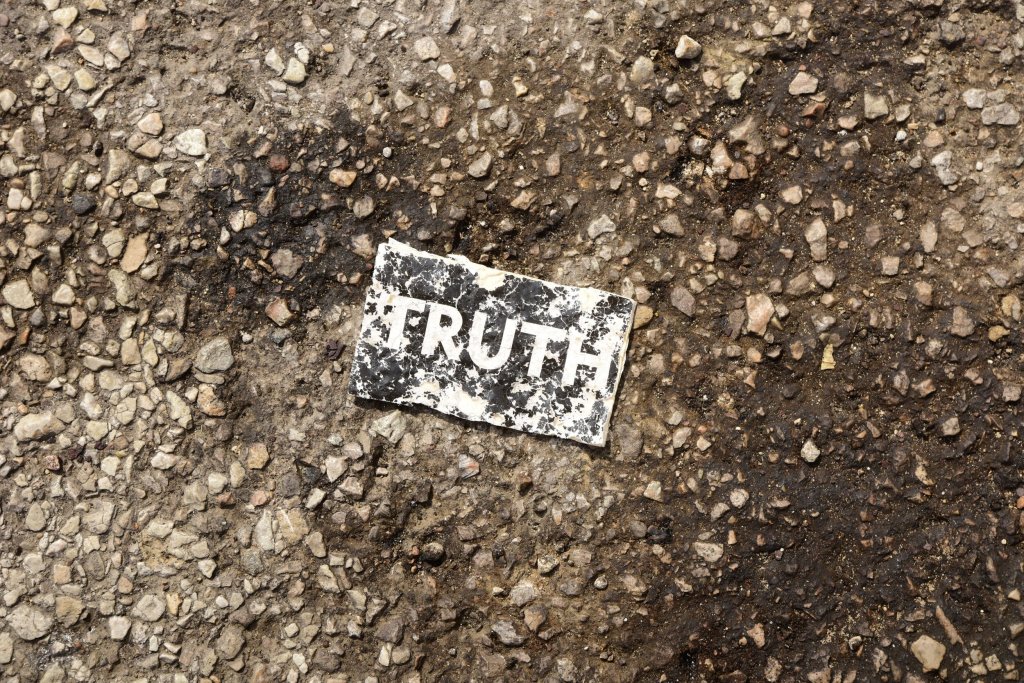
    It’s made me reflect on what it means—for us, and for me—to be a person who values truth.

    Truth is a hard thing to value. I’ve thought about that a lot, not least because my vocation makes a lot of truth claims, and also carries the temptation of fudging the truth sometimes. There are a lot of ways for preachers to play fast and loose with the truth, and any preacher that’s not *really* aware of the dangers of the rhetorical toolbox we carry around is like somebody carrying a pistol without knowing where the safety is.

    The rhetorical toolbox has some useful but mischievous tools, you know. Overstatement. Understatement. Telling stories that evoke emotion. Selecting data that matches your narrative, and culling that which detracts. The art of knowing your crowd well enough to see how far you can push and when you’d best pull back a smidge. Knowing what coals of passion lie smoldering, just needing somebody to give them a little oxygen to make them come alive. It’s powerful stuff. And dangerous.

    Of course, I’m not just a speaker, but a listener, too. I don’t just use rhetoric—I’m on the receiving end of a lot of it too. There are folks who want to use me, and who point all those tools squarely in my direction. Some of them don’t seem to be that conscientious about what their rhetoric does. Imagine a long-time gun instructor showing up at the shooting range only to find a reckless crowd passing around loaded weapons pointing every-which direction. No safeties on, everything loaded, people carrying four or five weapons in each hand. Pistols lay on the tables, easily within reach of the kids wandering around while the adults laugh with each other, oblivious. They are clearly enjoying the power in their hands, everybody’s having a great time. But what do you think that instructor thinks—feels— in that situation?

    I’m just saying that when it comes to the way we use rhetoric—a powerful tool for both the honest and dishonest—I feel a lot like that guy. (And yes, for those paying attention, this story too is rhetoric. See how easy it is?)

    We need to be a lot more conscientious with how we both use rhetoric and also much more savvy with how we consume it. But we need to recognize that it’s hard work. That’s what I meant when I wrote above that I’ve thinking about what it means to be a person who values truth. It’s one thing to say something is a *value*, but values constantly ask back, “Really? How much am I really worth to you? What are you willing to do, to give?”

    Valuing the truth when I have to mic (or keyboard), means I have to think carefully about whether what I’m saying is strictly true, or whether I’m shading the truth. Even if what I’m saying is ultimately in the service of the truth, I have to ask whether I’m asking people to skip steps, or take shortcuts. I have to ask how much I’m relying on people’s trust and what kind of trust habits I’m encouraging or discouraging in them. If I’m only telling one side of a story, I have to ask whether the people in my crowd are really aware of the other side…do they know the best reasons to take the other side? Am I representing the other side fairly? Before I pass on information, I have to ask whether my sources are really solid or not; why do I trust them and should/would other people?

    On the other side, being someone who demonstrates that I value truth in the way I receive rhetoric is hard work, too. Most of what we have pointed at us is meant to get us stirred up, to inflame us. It’s hard work to filter out when people are really fairly representing their opponents (spoiler alert: they aren’t) or to figure out which sets of facts are really accurate. When I’m paying attention, I find that a lot of people assume that we won’t do any work—they feel like they can pass on untrue things with true impunity, knowing they won’t *really* be held accountable. What they really know is a powerful pair of vulnerabilities: many of us are willing to accept facts we want to be true, and we move on to the next controversy quickly. Think about how dangerous those two are. Mercy!

    As a result, people with powerful platforms feel (know) that their audience is willing to believe something that may or may not be true, and that they next week they won’t really care about how it panned out. They don’t believe we are willing to put in the work of really evaluating what they say and they don’t think we’ll really care about the particulars by next week anyways. To be clear, they think that about *me*. Some days, they’re right. It’s hard work, after all. Some days I frankly don’t value truth as much as I say I do, and when somebody shows me a shortcut, I take it.

    My friends, it is really, *really* important that we cultivate a sincere valuing of the truth. It just has to become more important to us if we’re going to have a solid functioning society.

    We haven’t adapted well to the changes in the world, where everyone has these mass communication opportunities. In the old world, a small number of people had access to a small number of podiums. A small number of people decided what got printed and published. Now, everybody is a mass communicator. Everybody is a publisher. And while we’ve bought into the idea that everybody should have those opportunities, we’ve been really slow to recognize that it also means everybody has the responsibilities that come with those opportunities.

    There are some good things about the democratization of communication, I think, but only if we’re *much* more discerning about how we consume the flood that is coming at us. We haven’t kept up with the disciplines of truth, as either speakers or hearers. And we’re in trouble because of it.

    My friends, I implore you: let’s commit ourselves to honoring, treasuring and valuing truth.

    Let’s commit to doing the hard work of weighing claims and facts, to not taking shortcuts when people make claims that we’d *like* to be true or when they push facts that match up with the narrative that is belongs to *our side*.

    Let’s commit to returning to the art of persuasion, attentively considering the best arguments of our opponents. Let us reject the rhetoric of inflammation, that locks our attention into the aspects of the opposition we find most ridiculous.

    Let’s lengthen our memories a bit, and stop listening to people who recklessly make a habit of passing on misinformation.

    We got here by being lazy, and it was foolish. To heal requires our collective repentance, and a commitment to put in the work to build something different.

    May God give us the courage, wisdom, and strength to become people of truth.

  • Lightbringer

    Lightbringer

    The Lightbringer series by Brent Weeks sits perfectly at the intersection of my interests in fantasy epics and theology. If your interests are the same, and you don’t mind fiction seasoned with a dash of rude humor, you may love it like I did. (Nota Bene: Sometimes it’s a really hearty dash.)

    I don’t know if I’m recommending a book here, or an exercise program. For me, they’re more or less intertwined. About a year and a half ago I decide to commit myself to daily exercise. I have an ambitious movement goal on my watch, and I end most days walking a loop in my neighborhood, burning calories. It’s been effective for me, and I walk an average of 2 miles a day more than I did two years ago, and burn an extra 250 calories a day, which translates to an annoyingly small amount of food. But, I digress.

    Most days I reserve the walking time for listening to fiction on audio books. I don’t know when it happened, but somewhere in my life I shifted to prefer audio, maybe because I can walk and not get too restless and too quickly distracted form my “reading”. As a result, having a solid book to listen to helps me look forward to the walk, and some days it’s vice versa.

    I say all this because the first thing you need to know about the Lightbringer series is the sheer length of it. I have no idea how many pages, but the audio versions, performed excellently by Simon Vance, come in at about 135 hours. Like I said: I walk a lot. I honestly don’t know how anyone has time for such a series unless you do walk a lot, so that’s why I’m recommending both the books and the walking.

    Weeks has crafted a wonderful fantasy world, with a special blend of points of similarity and departure with our own world. The particular magical device the book leans heavily on worked for me—though some reviewers have found it overly complex.

    What I really loved about the book was the way the long arc of the story treats theological themes. From the divine image born by humanity, to an account of the brokenness and corruption of that image, the story resonates with theological motifs that are treated deftly. Indeed, the story progresses through theology in a sophisticated way, allowing the reader to experiment with different ways of thinking about God along the way. Weeks is not bashful about including biblical allusions, and readers who know their Bibles will find themselves discovering additional layers to parts of the story by calling to mind the biblical source material.

    Of particular significance is the way the story treats what theologians call “Theodicy”, the way we understand God in the light of human suffering. It may be that narratives and stories provide the very best way of studying the subject. A narrative generates empathy, and theodicy without empathy ends up being a little soulless and unhelpful. Fictive narratives almost do the job even better, allowing us to consider the suffering of the characters with just a smidge of distance—we’re emotionally involved, but without the high stakes that we have with a real flesh and blood person we know. Consider a spectrum of emotional involvement when it comes to thinking about suffering. From least to greatest emotional involvement it kind of goes like this:

    Abstract theology -> fiction -> people you don’t know -> people you know personally

    A full theodicy should work on all of those different levels—but it’s a tall order, and in particular, I think we struggle to bridge the gap if we simply try to leap from:

    Abstract theology -> people you know personally

    There’s just too much pressure there—we have to make our abstractions fit the experiences of our personal circles, because we’re deeply invested emotionally. It makes it hard to actually do the work of theodicy, probing for a way of understanding God’s presence in a hard cosmos.

    Fiction can play an important role, helping us test out ways of thinking about suffering, and God’s view of it without the highest stakes. We can be empathetic, but not so enmeshed that we can’t test out ideas. Like stepping stones across a creek, good stories help us build a bridge between the abstractions of theology and the sufferings we know about, bear witness to, and even experience ourselves.

    The Lightbringer series does this well, with a cast of round characters who sometimes bring evil upon their own heads and are sometimes the victims of other’s choices. The theological setting—a world of faith that intersects with our own, but is not identical–allows for Weeks to test out ways of thinking of suffering and God’s view of it, iterating as some accounts are found insufficient to the task by the characters along the way. The characters in the story refuse to settle for easy answers as they meet their hardships, and the reader goes along that journey with them, testing more nuanced ways of thinking about God as the story goes.

    There’s substance to this series—but lots of fun along the way, too. It’s a story that somehow reveres God while being wildly irreverent at points. I loved it.

    If that sounds like the kind of thing you might like, give it a try. But you may need to get a fresh pair of walking shoes, too.

  • Black Lives Matter

    (The headline IS the post.)

  • Here in Tullahoma

    Here in Tullahoma


    In the wake of George Floyd’s death at the hands of a police officer in Minneapolis, the United States has witnessed massive protests and a renewed call for reforms in policing to protect Black Americans from abuse and violence.

    It is foolish to imagine that the issues sparking the protest exist only in far away places and not within our community. I call on my neighbors in Tullahoma to consider the wisdom of taking proactive action to address the concerns of the Black Lives Matter movement.

    First, consider that the issues of racism are both personal and systemic. Individuals act and speak in racist ways, and truly we can say that the guilt lies with them for acting out of the corruption of their hearts. But it is also true that racism has deep roots within the communities of our country. Its hand has carved the very structures of many of our institutions and has specifically shaped Tullahoma in significant ways.

    I am very grateful that our local police department is made up of many wonderful people. Their character and devotion to their duty is an essential element to the department’s success—indeed, the most important one. But relying on the character of individuals without appropriate systems is to court disaster.

    While we presume in good faith that our law enforcement personnel are individuals of character and integrity, we entrust them with certain levels of power in our community. The American way has always been to be leery of distributing power to agents of the state. Any power given must be appropriately checked and restrained. Persons who are perceived as too powerful will always be met with distrust and resistance. In our current cultural climate, this perception—regardless of its veracity—escalates the tensions between law enforcement communities and the citizens they serve, and creates more danger for those whose duty is already fraught with risk.

    Neglecting systems of accountability and systems which cultivate professional standards of non-racist behavior imperils both individual officers and citizens. Creating such appropriate systems—and communicating them openly—is simply a requirement if we are to continue to dismantle the legacy of racial injustice.

    Fortunately, paths forward have emerged as communities have sought solution and developed systems appropriate for their contexts. I offer the following, knowing that some of the suggestions may indeed not fit our context. However, these are reasonable and readily available starting points for discussion, and I submit them hoping that our community can have an honest, robust conversation about the best way forward.

    1. I am certain that there are steps already active in Tullahoma. Indeed, I would not be surprised if some of the steps outlined below are already implemented! However, the community would greatly benefit from clear communication of those steps. I call on the city to make publicly available, via the city’s website, currently active policies and procedures designed to ensure fair and equitable treatment of citizens by police, regardless of race.

    2. The city should create regular structured and informal opportunities for dialogue between law enforcement personnel and the community, particularly the African American community within Tullahoma.

    3. The city should implement and publicize regular de-escalation training for law enforcement personnel.

    4. The city should implement and publicize regular training to address implicit bias within the law enforcement context. This should also become part of the screening process for personnel.

    5. The city should implement body camera systems and policies to ensure their usage creates reliable accountability.

    6. The city should publicize the appropriate channels for complaints of unfair treatment so that citizens may have confidence that their concerns will be taken seriously.

    7. The city should publicize how the police department measures performance in this area for both the entire department and for individual personnel.

    These are by no means complete solutions. The issues are far ranging from such local policing issues to issues throughout the criminal justice system and beyond. But these are places where we can start, here in Tullahoma, so that our community lives up to its ideals of being a community where all of its citizens flourish.

    In Peace,
    Steven Hovater

    Note: I will update this post as other information becomes available.


  • Covid-19 and Reclaiming Your Most Valuable Resource

    The isolation demanded by COVID-19 clarifies a distinction I’ve been wanting to make for a while regarding our most precious resource—what it is, and what it isn’t.

    Many people will say that our most precious resource is time, and for good reason. Time is finite, and we often feel ourselves needing more of it. We call it being “busy”, and we do fill our lives with time-demanding activity, but I think that is actually a mask of the real problem.

    In this moment, when we’ve had a significant number of demands on our time stripped away, the angst of being low on time has been just as quickly replaced. The same feeling is there, but now attaches itself to other causes. Although many of us have had to do our work in different ways, and that certianly takes a new share of time, the reality is that many of us now have something of a time-surplus. And yet, the thing that we used to name “I just wish I had more time” still remains.

    I suggest that the actual scarcity has never been time, but attention. It is that resource which is impinged upon from countless directions, and this has not relented even in the midst of our physical isolation. Even as our activity calendars have drastically changed, we are presented with new pulls on our attention, and these are even more fierce than before.

    This moment presents an opportunity to be truthful about our scarcity of attention…and to reclaim it with intention. One of the most significant things you can do through this crisis is become more purposeful in how you spend and invest your limited attention.

  • Covid-19 and Reclaiming Your Most Valuable Resource

    The isolation demanded by COVID-19 clarifies a distinction I’ve been wanting to make for a while regarding our most precious resource—what it is, and what it isn’t.

    Many people will say that our most precious resource is time, and for good reason. Time is finite, and we often feel ourselves needing more of it. We call it being “busy”, and e do fill our lives with time-demanding activity, but I think that is actually a mask of the real problem.

    In this moment, when we’ve had a significant number of demands on our time stripped away, the angst of being low on time has been just as quickly replaced. The same feeling is there, but now attaches itself to other causes. Although many of us have had to do our work in different ways, and that certianly takes a new share of time, the reality is that many of us now have something of a time-surplus. And yet, the thing that we used to name “I just wish I had more time” still remains.

    I suggest that the actual scarcity has never been time, but attention. It is that resource which is impinged upon from countless directions, and this has not relented even in the midst of our physical isolation. Even as our activity calendars have drastically changed, we are presented with new pulls on our attention, and these are even more fierce than before.

    This moment presents an opportunity to be truthful about our scarcity of attention…and to reclaim it with intention. One of the most significant things you can do through this crisis is become more purposeful in how you spend and invest your limited attention.